
From Gas Station to Destination: How Fixture Design Is Reshaping the Modern Convenience Store
For decades, convenience stores were designed around one goal: speed.
Get customers in. Get customers out.
The formula worked. Fuel, beverages, snacks, and a handful of essential purchases were organized to maximize efficiency within a relatively small footprint. Fixtures were selected for capacity and durability, helping stores fit as much product as possible into every available square foot.
Today, the convenience format is evolving.
Leading operators are investing heavily in fresh food, premium beverages, expanded alcohol offerings, and elevated store environments. Consumers increasingly view convenience stores as destinations rather than simple pit stops, creating new expectations for the shopping experience. Stores that once competed primarily on location now compete on presentation, assortment, and experience.1
As a result, fixture design has taken on a much larger role.
The right fixture strategy doesn’t just hold product. It helps define how shoppers move through the store, how categories are perceived, and ultimately how the brand itself is experienced.
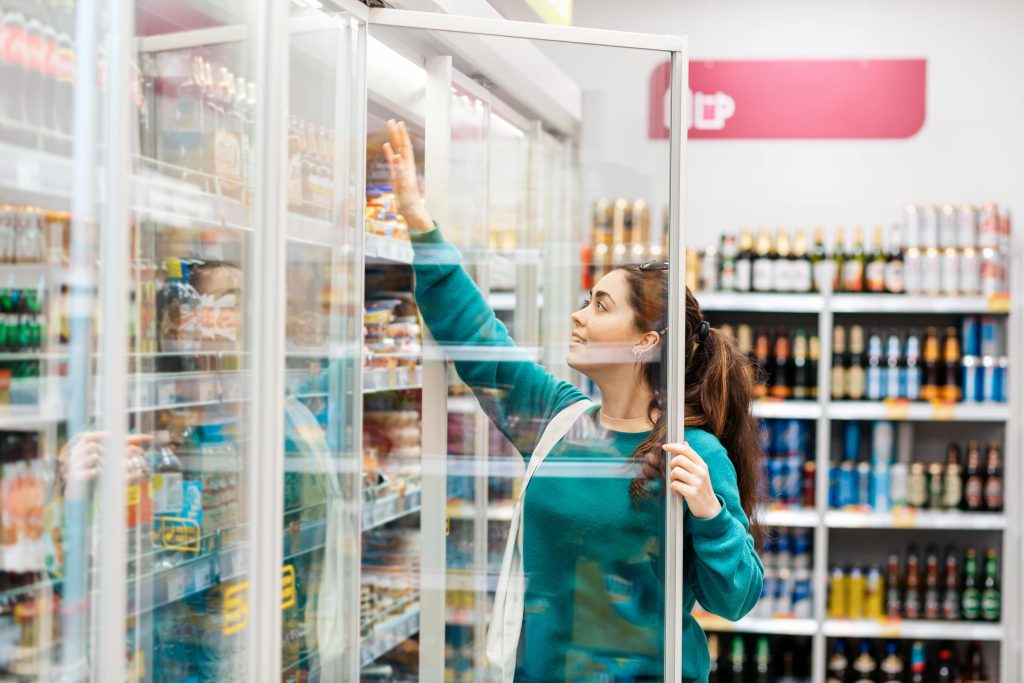
Convenience Retail Has Outgrown the “Warehouse” Approach
Traditional convenience stores were built around inventory density.
Tall gondolas, crowded aisles, and product-heavy layouts made sense when the primary mission was stocking as many fast-moving items as possible. The fixture’s job was simple: maximize capacity.
But as foodservice, fresh offerings, and premium categories have grown, that approach has started to show its limitations.
Customers evaluating a freshly prepared sandwich, specialty coffee, or premium beverage aren’t just buying a product. They’re making a judgment about quality. And that judgment often begins with the environment surrounding the product.
A cluttered presentation can undermine perception. A thoughtfully merchandised display can elevate it. That’s why many operators are rethinking layouts, lowering visual barriers, and creating more intentional merchandising zones throughout the store.
The Best Stores Create Merchandise Destinations Within the Store
Walk into many of today’s top-performing convenience chains and you’ll notice something different. The store doesn’t feel like one large sales floor. It feels like a collection of destinations.
The coffee program has its own identity.
The beer and beverage section feels distinct.
Fresh food commands attention.
Grab-and-go meals are presented more like a grocery solution than an afterthought.
Fixtures play a critical role in creating these experiences.
Through shelving configuration, display design, product organization, and signage integration, fixtures help define where one experience begins and another ends. Instead of simply guiding shoppers down aisles, they help create natural stopping points that encourage exploration and discovery.
Sightlines Matter Now More Than Ever
As convenience stores become more experience-driven, visibility becomes increasingly important.
Customers want to quickly understand:
- Where key categories are located
- What foodservice options are available
- What’s new or promotional
- How the store is organized
Fixture height, placement, and configuration all influence those sightlines.
Open visual pathways help stores feel cleaner, larger, and easier to navigate. They also allow operators to showcase destination categories that may be driving incremental visits and higher-margin purchases.
In many cases, fixture design becomes a tool for reducing friction and increasing engagement at the same time.
Flexibility Is Becoming a Competitive Advantage
Consumer preferences evolve quickly. Seasonal beverage programs change. New products launch constantly. Foodservice offerings expand.
The convenience stores that adapt fastest are often the ones equipped with fixture systems that can evolve alongside the business.
Modular shelving, adjustable displays, and flexible merchandising systems allow operators to respond to changing opportunities without requiring complete store overhauls.
What once may have been considered a fixture feature has increasingly become an operational advantage.
Every Fixture Sends a Message
Shoppers form impressions long before they make a purchase.
The way products are organized, presented, and displayed communicates something about the store itself.
Is it organized? Is it premium? Is it easy to shop? Does it feel current? Fixtures influence all of those perceptions.
That’s why the conversation around convenience retail has expanded beyond simple storage and capacity. Today’s operators are increasingly focused on how merchandising environments support the overall customer experience and reinforce the brand they’re working to build.
THE FUTURE OF CONVENIENCE IS EXPERIENCE DRIVEN
The convenience industry continues to evolve beyond its traditional roots.
Foodservice programs are growing. Beverage programs are becoming more sophisticated.
Customers are expecting more from every visit. Industry observers increasingly describe convenience stores as hybrid retail and foodservice destinations rather than simple fuel stops.2
As those expectations rise, fixture design becomes more important. The stores that stand out won’t simply be the ones with the most products on display. They’ll be the ones that create environments that are easier to shop, more engaging to explore, and better aligned with how modern consumers want to buy.
Because in today’s convenience format, the fixture isn’t just supporting the experience.
It’s helping create it.
12026 C-Store Trends: How Convenience Stores Are Transforming Into Food Destinations (Datassential)
22026 Convenience Store Foodservice Trends (Datassential)